
September crop monitoring separates summer losses from autumn seed risks
Maize (Zea mays) · Potato (Solanum tuberosum)
Observation period: 2026-07-01 – 2026-09-28
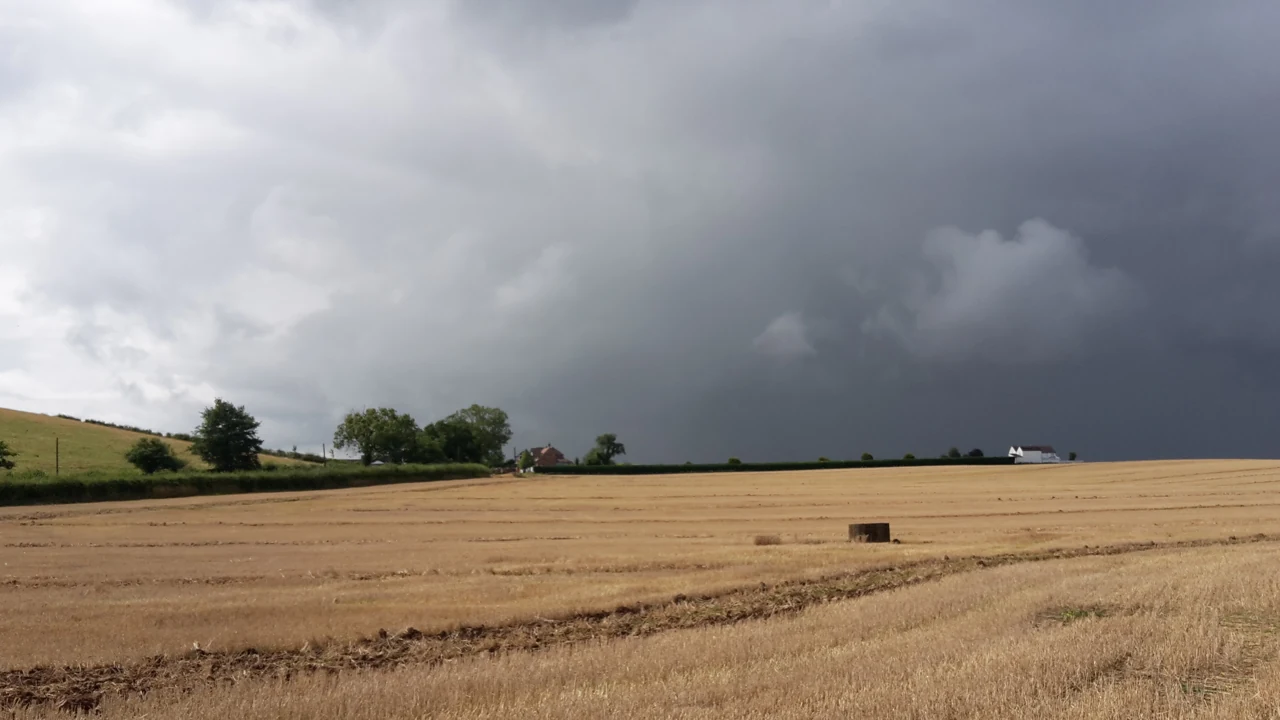

JRC’s 28 September assessment reports summer-crop yield pressure following heat and drought, while Copernicus describes persistent mid-September drought. This first SeedTrade baseline separates broader European evidence from its 23-region monitoring framework. Neither source establishes autumn planted-area changes or future certified-seed availability.
Why it matters
Seed businesses need to distinguish crop losses from seed availability. Autumn purchasing decisions require current establishment and certification evidence, rather than assumptions drawn from summer yield forecasts.
What changed
JRC describes a deterioration from favourable spring conditions to summer stress. Heat accelerated maize (Zea mays) development through sensitive stages, while water deficits reduced growth. This is the first assessment in this series; there is no previous SeedTrade assessment to compare.
Current situation
JRC forecasts EU grain-maize (Zea mays) yield 8% and potato (Solanum tuberosum) yield 7% below the five-year average. These are September forecasts, not final harvest statistics. Copernicus’ mid-September drought overview shares the EC/JRC institutional origin and is not independent corroboration.
Seed-market context
The 23 SeedTrade regions cover France, Germany, Italy, Lithuania, Poland and Spain, not a statistically representative EU sample. Their existing snapshot supplies no new regional measurements here. Crop-yield pressure does not by itself establish certified-seed shortages.
What to watch next
Watch for verified autumn field-access and establishment reports, subsequent crop-monitoring revisions and certified-seed evidence. If local establishment problems are confirmed, planting plans may need review. A fall in winter-crop area or rise in spring seed demand remains unproven.
Source and provenance
Joint Research Centre / JRC MARS · OFFICIAL_DATA · Checked 2026-10-01
Copernicus European Drought Observatory · OFFICIAL_DATA · Checked 2026-10-01